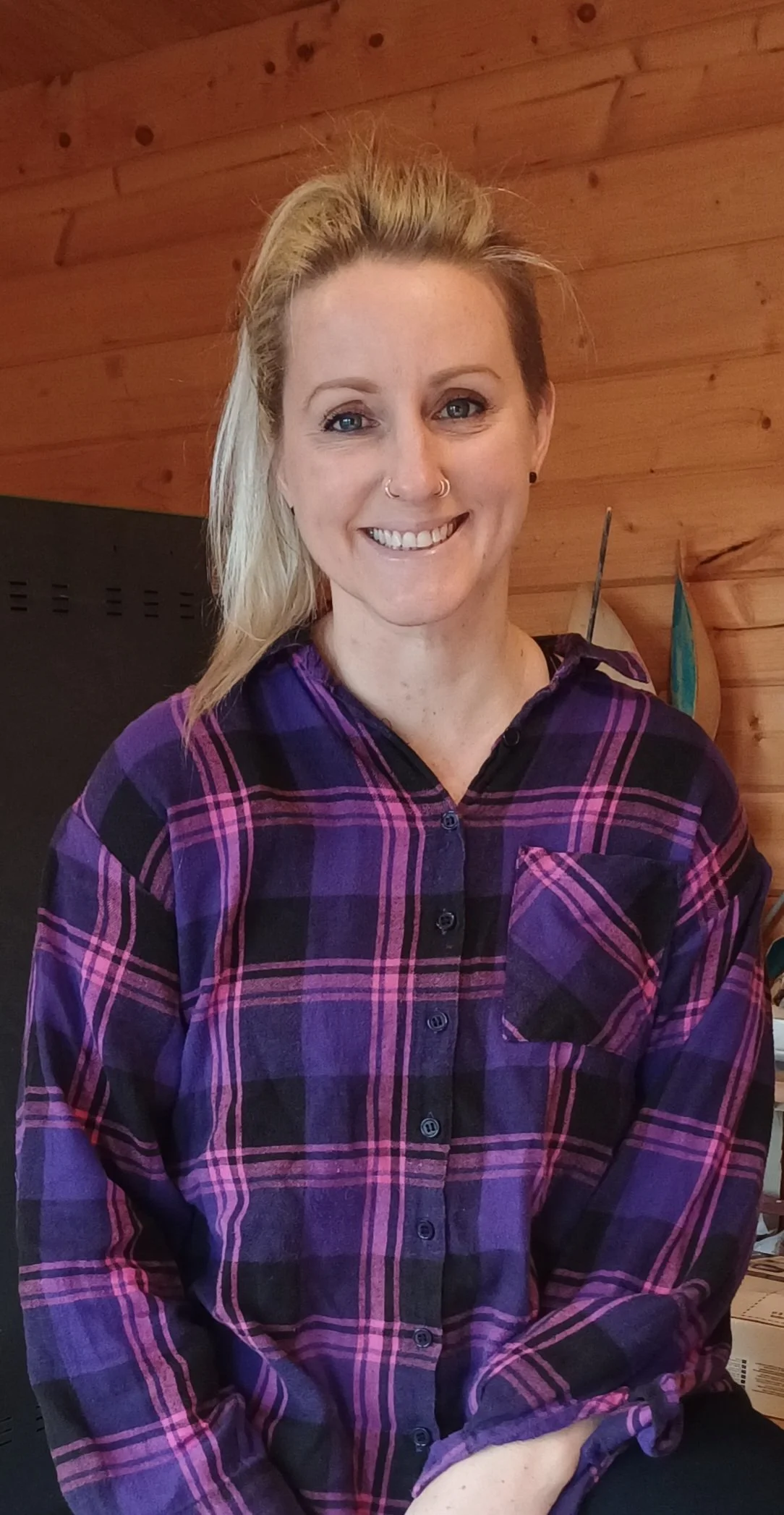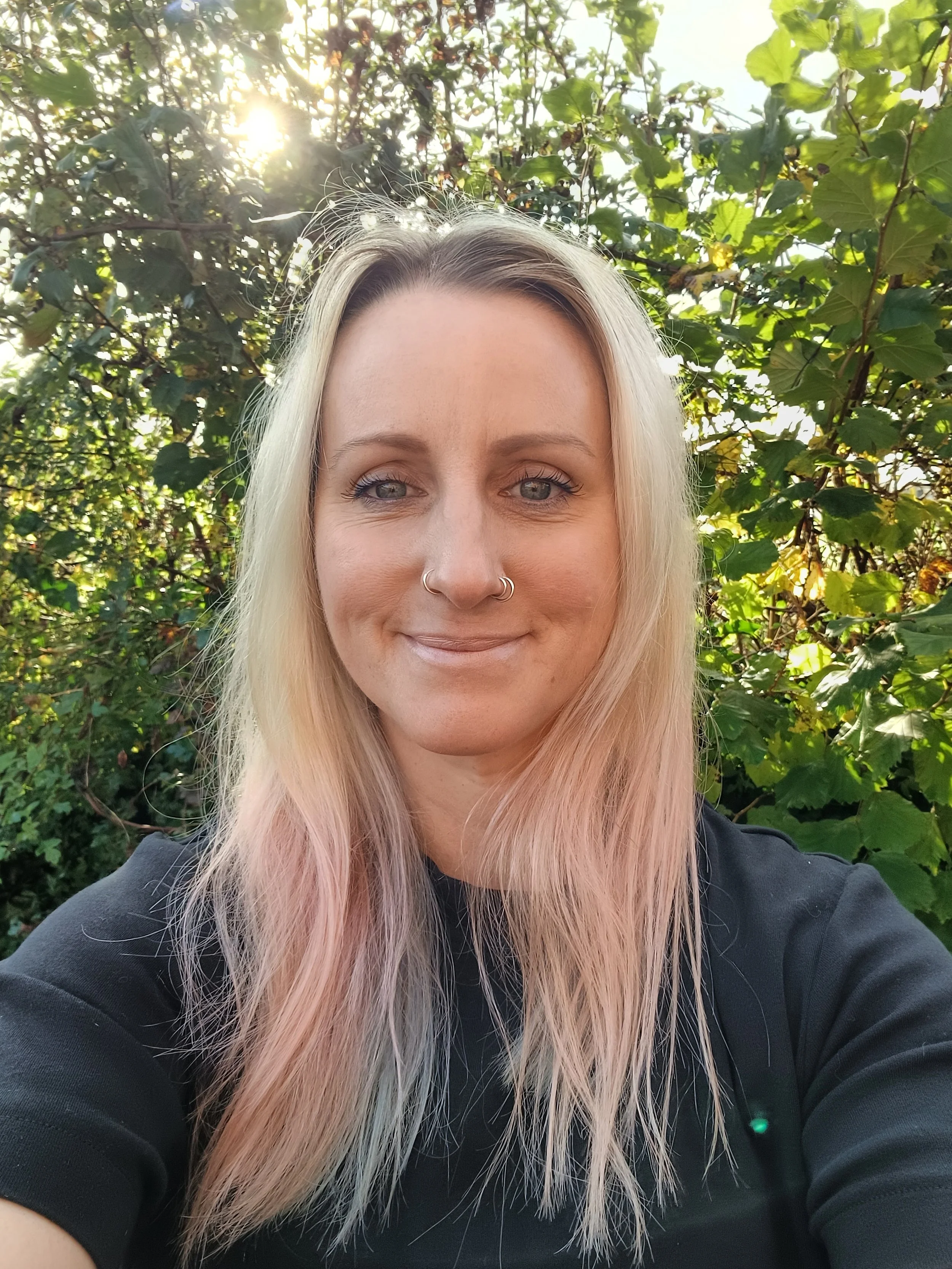
Welcome. I’m Lucy,
a BACP registered Integrative Counsellor and Psychotherapist based in Canton, Cardiff, South Wales.
Many people I work with have spent years carrying things on their own - managing strong internal dynamics, navigating complex relationships, or trying to make sense of experiences that didn’t offer much safety or stability. My approach is grounded in understanding the context behind what you’re feeling, so your patterns start to make sense rather than feel like personal failings.
I offer a steady, relational space where you can talk about what’s been happening in your life with honesty and care. My work is grounded in psychodynamic and parts‑based approaches, helping you understand the patterns you’ve learned to carry and find new ways of relating to them.
Therapy doesn’t have to be about deep diving into the past - we can stay with what’s happening now, look toward the future, or explore earlier experiences if and when it feels right for you.
How we will work together
I’m an Integrative Therapist, which means we shape the work around you rather than following one fixed method. Using this foundation I lean into psychodynamic ideas, and I’m IFS informed - approaches I explain more fully below. We can use gentle, everyday language to help you understand different aspects of your inner world. The work is collaborative, paced, and grounded.
What People Often Bring
People come to me when they’re trying to make sense of experiences that feel confusing or repetitive, such as:
growing up in a challenging or emotionally unpredictable home
relationship patterns that feel stuck or familiar
trauma that was too much to manage at the time
self‑criticism or feeling “not enough”
difficulties with closeness or boundaries
experiences of overwhelm or feeling out of step with others
coping strategies that have become hard to shift
Whatever your concern or challenge, we can gently explore what feels worrying or difficult, and find ways to manage and deal with things in a way that supports you.
We look at these experiences as meaningful responses to your history - patterns that once helped you cope, even if they’re now hard to live with.

Areas I work with
Emotional & relational
patterns
Experiences like anxiety, overwhelm, shutdown, people‑pleasing, repeating patterns, or feeling unsettled in relationships. I also have additional training in narcissistic abuse and family systems, offering support if you’re navigating relationships that feel confusing, draining, or hard to make sense of.
Challenging experiences
& their impact
I work in a trauma‑informed way, with care for safety, pacing, and grounding. This can include exploring how emotionally challenging experiences, like difficult childhoods, relational harm, or emotional neglect, have shaped how you feel today, always at a pace that feels right for you
Neurodiversity related experiences
Some people come with experiences of overwhelm, masking, or feeling out of step with others in how they process things. I work in a way that’s steady, clear, and spacious, which can support people who find the world a little intense or fast‑paced at times.
Life experiences
Growing up in challenging or unpredictable environments, instability, addiction, chaotic family dynamics, or taking on adult roles too early. This can also include growing up around mental health difficulties, feeling responsible for others’ emotions, or experiences that left you managing a lot on your own. I work with people who didn’t have much safety or support, and together we can explore how these experiences have shaped the way you relate to yourself and others, finding steadier ground in the present.
Internal dynamics
Feeling pulled in different directions, parts that protect or withdraw, or reactions that feel confusing or out of proportion. We can explore these internal dynamics gently, getting to know what’s happening inside and why, so things start to feel clearer and more manageable. I’m interested in how people adapt to survive: the parts that protect, the parts that manage, and the parts that carry pain quietly. We work with these dynamics gently, offering a relationship where they can be understood with curiosity rather than judgement.
The Space I Aim to Offer
I aim to create a space where you don’t have to perform, minimise, or rush to explain yourself. Many people I work with have learned to carry a lot on their own, managing strong internal dynamics, navigating complex relationships, or growing up in environments where emotional needs weren’t recognised. Here, you can talk openly, pause when you need to, and take things at a pace that feels right. My intention is to offer a steady, grounded relationship where your experiences can be met with curiosity rather than judgement.
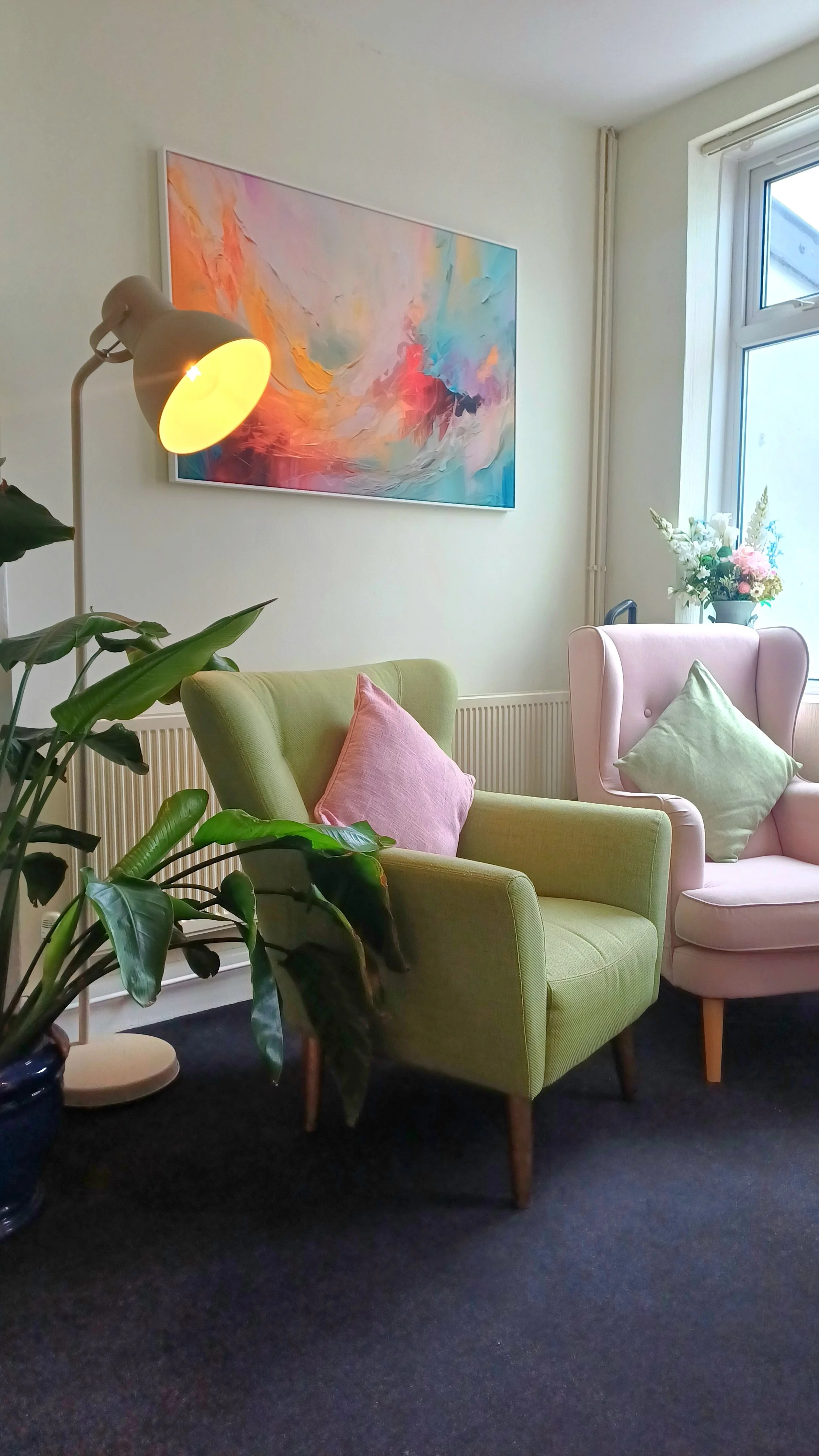
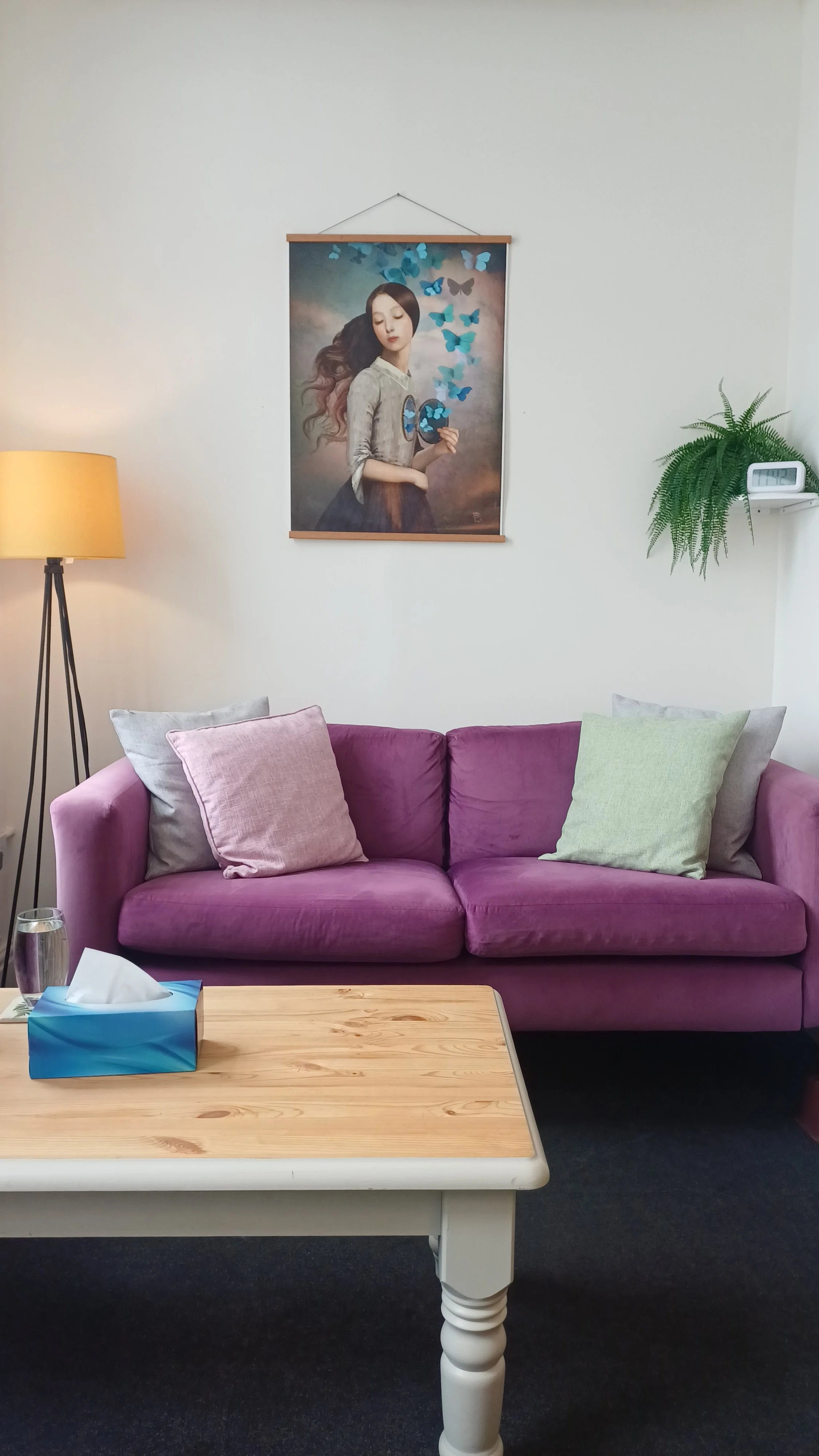
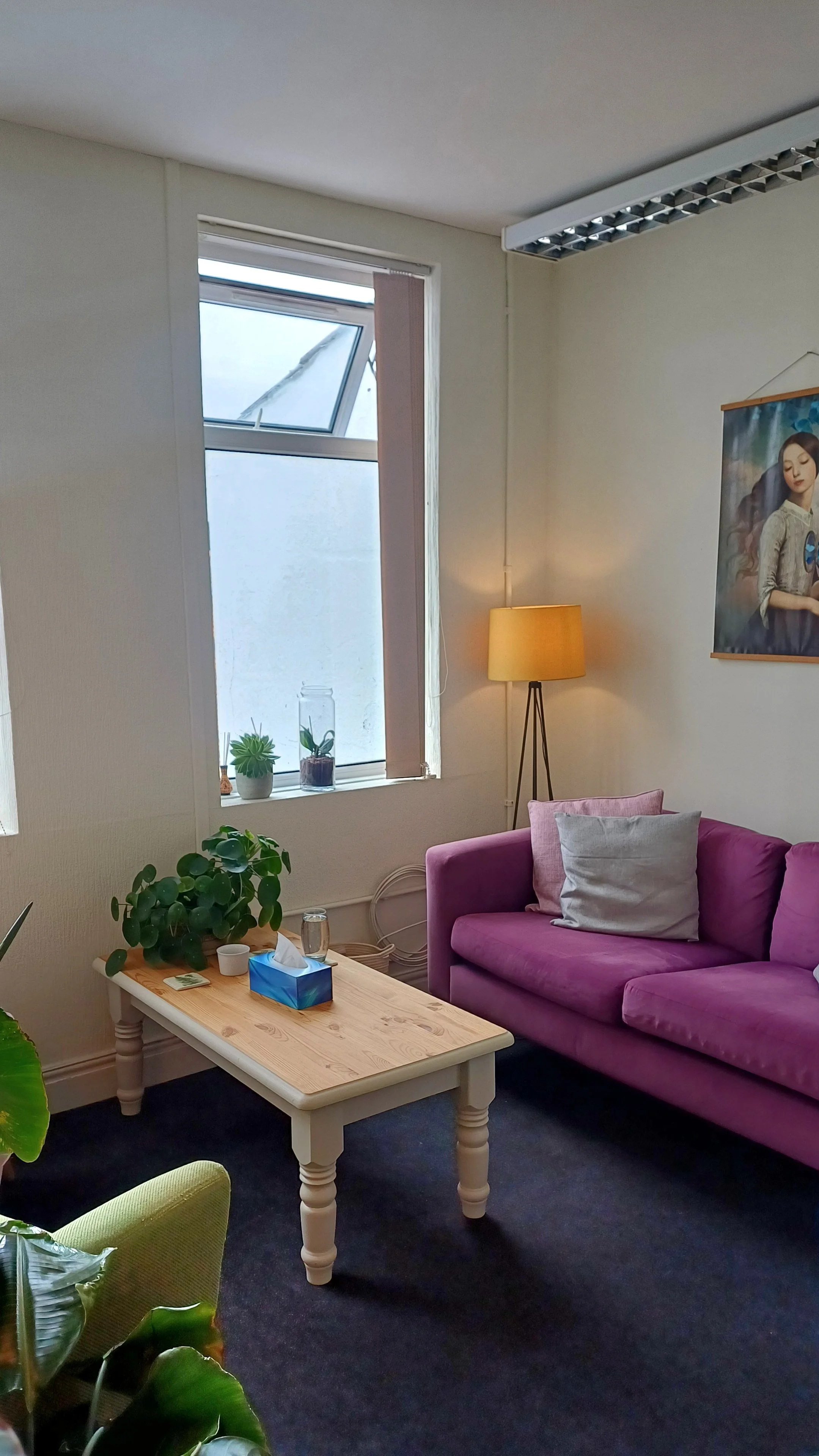
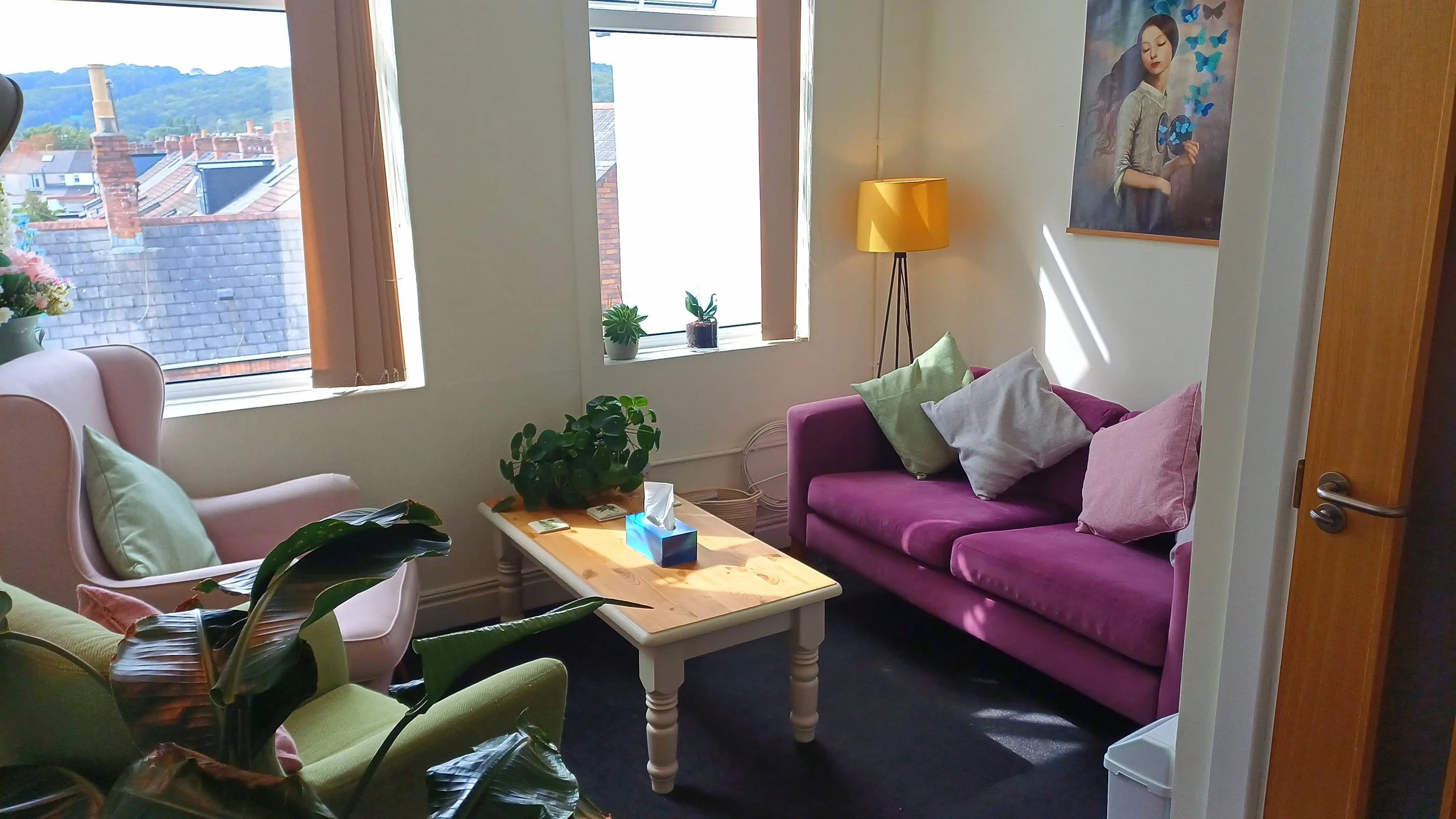
The room itself is calm and comfortable, with soft lighting, large windows, warm colours, and thoughtful details that help you settle. It’s located inside a larger building with other businesses, so arriving feels discreet and inconspicuous. The space is quiet, contained, and confidential, offering a steady backdrop for exploring whatever feels difficult or confusing. Therapy takes time, and this space offers a steady place to return to as you move through that process at your own pace.
If you would prefer to take our work outside rather than stay in the room, we can also move our session to a quiet local green space when it feels right for you.
Qualifications
-
Postgraduate Diploma in Integrative Counselling & Psychotherapy (Level 7, BACP accredited), University of South Wales
Postgraduate Certificate in Integrative Counselling Skills (Level 7), University of South Wales
Postgraduate Diploma in Further Education (Level 7)
BA (Hons) Ceramics (Level 6)
Certificate in Online & Telephone Counselling
-
IFS (Internal Family Systems) Level 1 training — beginning June 2026
Treating Survivors of Coercive Control in Narcissistic Abuse
Narcissistic Relationships, Emotional Abuse & Gaslighting
Two‑Day Experiential IFS Workshop
Trauma‑Focused CBT
Grief & Bereavement (Marie Curie)
Substance Use: Drug & Alcohol Training
Chemsex & Sexual Health
Nitazines Webinar
Changing the ADHD Brain: Beyond Medication
Re‑thinking ADHD
-
Registered member of the British Association for Counselling and Psychotherapy (BACP).
Membership number: 394113.
My Background &
Training
Before becoming a therapist, I worked in the arts, the prison system, and community settings with people facing homelessness and addiction. Being alongside people in complex circumstances shaped my steady, relational way of working and my belief that our patterns make sense once we understand the context we’ve lived through.
I trained in Integrative Counselling and Psychotherapy, bringing together person‑centred, psychodynamic, and CBT approaches. Although integrative by training, my practice naturally leans toward psychodynamic work, exploring how early relationships shape the patterns you’re navigating today, alongside what’s unfolding in your present life and the future you’re moving toward. I’m also IFS‑informed, using gentle parts‑based work to help you meet your internal world with curiosity and compassion.
My background in the arts, community support, and health and wellbeing coaching gives me a grounded, whole‑person perspective. It supports an approach that is integrative, relational, and centred on understanding how your past, present, and future experiences connect, so we can work with your patterns rather than against them.
We will work collaboratively and at your pace. Some people need time to settle; others need help understanding their internal dynamics; others need support with grounding or stabilising before going deeper. There’s no pressure to move quickly or to talk about anything before you’re ready.
My aim is to offer a space where you can feel met, understood, and supported in exploring the parts of your life that have felt confusing, painful, or repetitive.
The approaches we
can take
I work in a relational, steady, and responsive way. My approach brings together an integrative foundation with psychodynamic therapy, trauma‑informed practice, and parts‑based (IFS‑informed) work. This means the therapy adapts to what you need, rather than following a rigid method.
-
My initial training was integrative, covering person‑centred, psychodynamic, and CBT approaches. Over time, my work has become more psychodynamic, with the other approaches woven through the work in ways that support grounding, reflection, and practical change. Being integrative means we use what fits you, your pace, your history, and what feels manageable.
-
Psychodynamic therapy looks at how early experiences and relationships shape the patterns you’re living with now. Many of the ways you cope or protect yourself were learned long before you had words for them. Together we explore these patterns gently, with curiosity rather than judgement, so they begin to make sense.
-
I’m Internal Family Systems (IFS) informed and currently part way through the official Level 1 training with the IFS Institute. Parts work helps you understand the different aspects of your inner world - the parts that criticise, shut down, manage, or carry pain. We don’t try to get rid of parts; we get curious about them. When they feel understood, they often soften on their own.
-
Trauma informed practice shapes the pace of the work and the way I support your nervous system. It means paying attention to safety and stability, and using grounding or practical tools when emotions feel strong. We slow down when needed, help parts feel safer before going deeper, and work in a way that keeps you connected rather than overwhelmed.
-
These approaches sit naturally alongside each other. Psychodynamic work helps us understand where your patterns came from. Parts work helps us understand how they operate inside you now. Trauma informed practice helps us move at a pace that feels safe. Integrative training allows us to weave these together in a way that fits you.
The aim is to help your inner world feel clearer, kinder, and more coherent.
-
My approach is systems literate: rather than treating symptoms in isolation, I pay attention to the patterns and relationships that shape how they arise, both within you and around you. Drawing on IFS (Internal Family Systems), I see the mind as made up of different parts, each with its own role and history, sometimes in conflict with one another. Working psychodynamically, I trace how these patterns often have their roots in early experience, particularly childhood relationships, and continue to repeat in ways that can feel automatic or hard to shift. Bringing these lenses together allows us to understand not just what's happening for you now, but why it makes sense given your history; and to work with the whole system, rather than just the presenting problem.
Whatever brings you to therapy, whether it's anxiety, low mood, difficult relationships, or feeling stuck - rarely comes out of nowhere. Often, it makes much more sense when we look at the wider picture: your relationships with parents, experiences at school, past relationships, and the story of your life so far. Together, we gently trace the threads between what's happening for you now and where those patterns first began, so things start to feel less confusing and more understandable.
I also work with the idea that we all have different "parts" of ourselves - the part that worries, the part that people pleases, the part that shuts down, each one trying to protect you in its own way, often shaped by things that happened earlier in life. Rather than trying to get rid of these parts, we get curious about them together, so you can build a kinder, more compassionate relationship with yourself. My aim is always to help you feel truly understood; not just in terms of symptoms, but as a whole person with a story that makes sense.
Fees & Practicalities
-
You can choose between:
50‑minute sessions (with a little space at the end for booking future appointments or any practical logistics)
75‑minute sessions (also with space at the end for booking future appointments or any practical logistics — simply for those who prefer a longer session)
-
£60 for 50 minutes
£90 for 75 minutes
-
‘In person’ appointments are based in my therapy room in Cardiff.
We can also meet via Zoom or have phone call appointments if preferred.
-
Sessions can be weekly, fortnightly, or monthly. We can talk through what would work best for you, and flexibly meet a rhythm that feels supportive and sustainable.
-
There is lift access within the building to the therapy room.

Frequently Asked Questions
-
Starting therapy can feel like a big step, and it’s completely normal to wonder what the first session will be like. When you get in touch by email, I’ll explain the next steps, and if you’d find it helpful, we can arrange a brief phone call to talk through your enquiry. All the information you need will be shared at that stage, so things feel calm and straightforward
-
After we’ve agreed a time, I’ll share the practical details with you, whether that’s the location for in person sessions, or the Zoom link for online work. My aim is for everything to feel clear and easy before we meet.
-
I’ll explain access to the building and anything you might need to know in a friendly, clear way - either during our initial conversation or by email. Many people feel anxious about these practical bits, so I make sure they’re simple and easy.
-
The first session is simply a chance for us to meet and get a sense of how it feels to work together. You don’t need to prepare anything. We’ll talk about what brings you to therapy, what you’re hoping for, and anything that feels important for me to know.
-
Sessions are steady and unhurried. We move at a pace that feels manageable for you, with time to pause, think, or sit with something if needed. You won’t be rushed, and there’s no expectation to cover everything at once. Toward the end of each session, there’s always a little space for booking future appointments or any practical logistics.
-
It’s completely okay to arrive with uncertainty, mixed feelings, or not knowing where to start. Many people do. We can take things one step at a time. There’s no pressure to continue. After the first session, you can decide whether you’d like to book further sessions, and we can find a rhythm that feels supportive.
Get in Touch